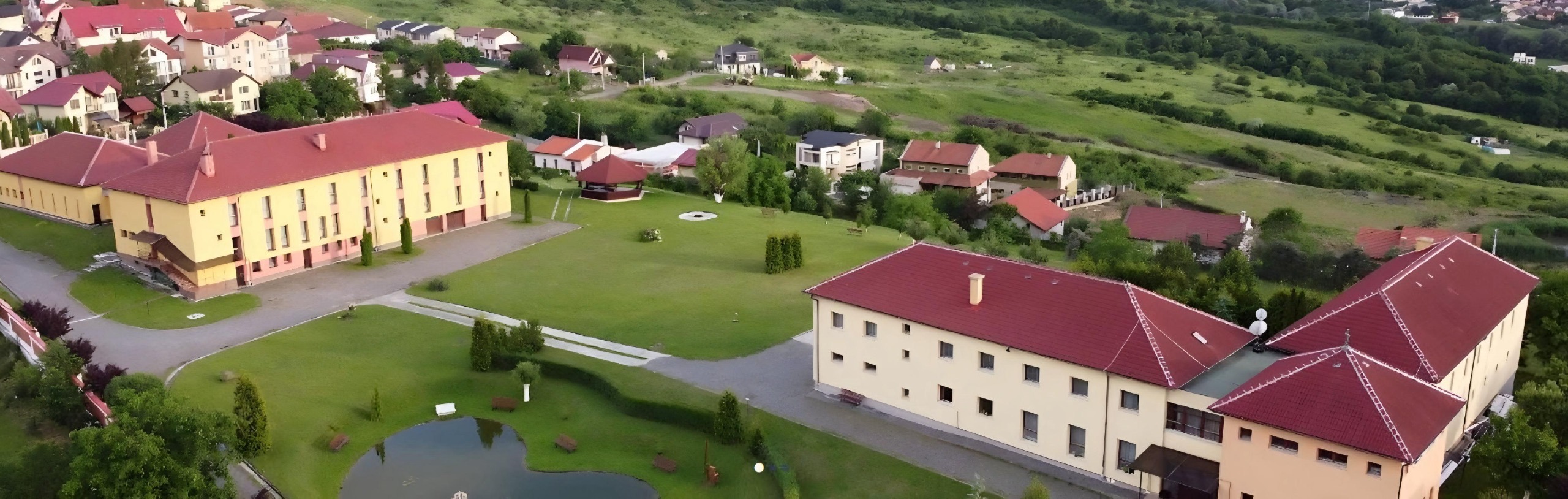
The history of the Jesuits in Cluj
From the arrival of the Jesuits in 1579 and the founding of the college in 1581 to today's Manresa Spiritual Center — a history of the Society of Jesus in Cluj.
The Jesuits in Cluj — history
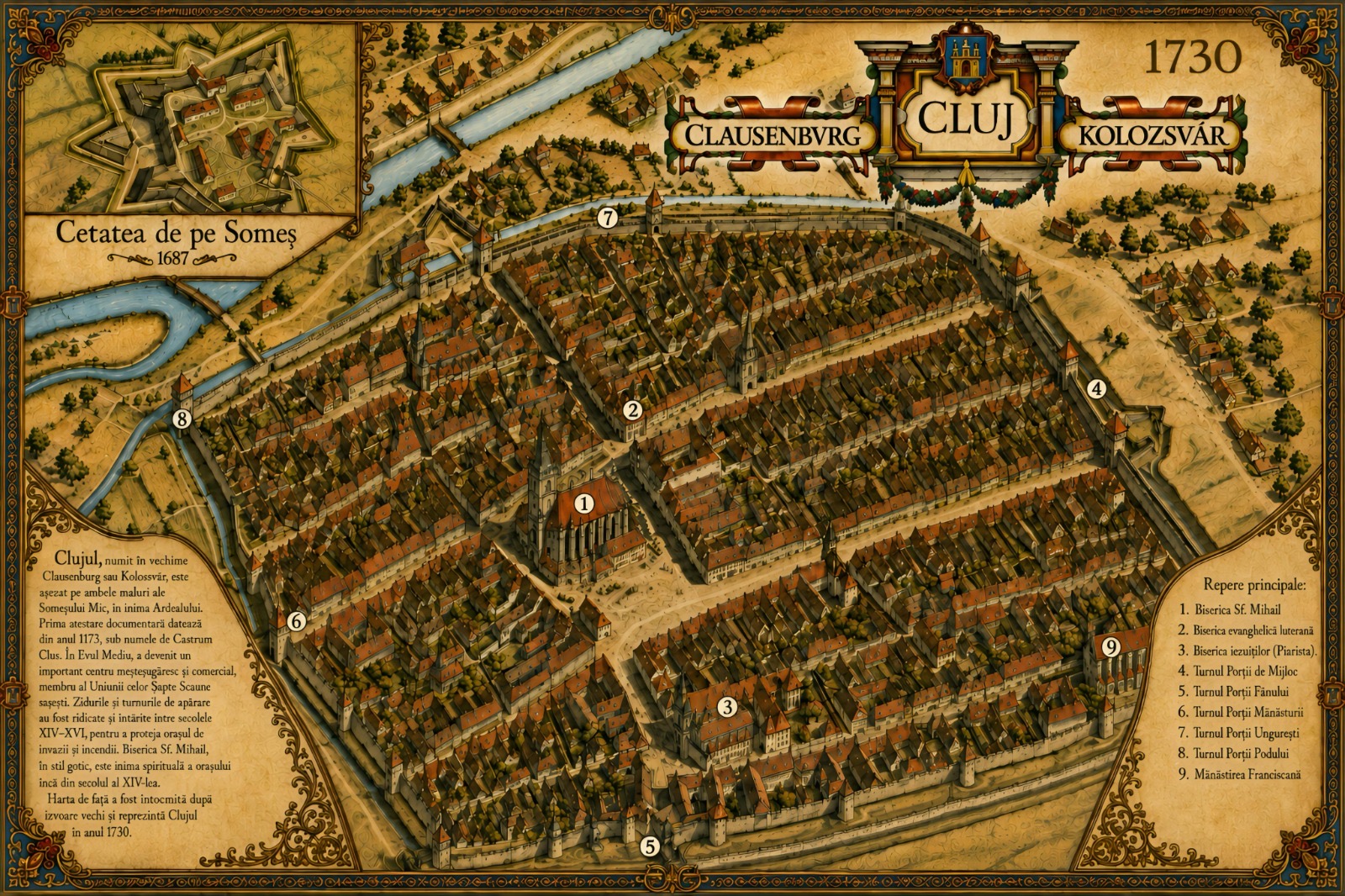
The Jesuits arrived in Cluj in 1579 at the invitation of Prince Stephen Báthory, initially establishing themselves in Mănăștur before building their own complex on what is now University Street around 1700 — a church, college, boarding school and seminary. For nearly two centuries this nucleus shaped the intellectual and religious life of the city, until the order was dissolved in 1773 and the patrimony passed to the Piarists.
Timeline
- 1579The Jesuits settle in Cluj-Mănăștur
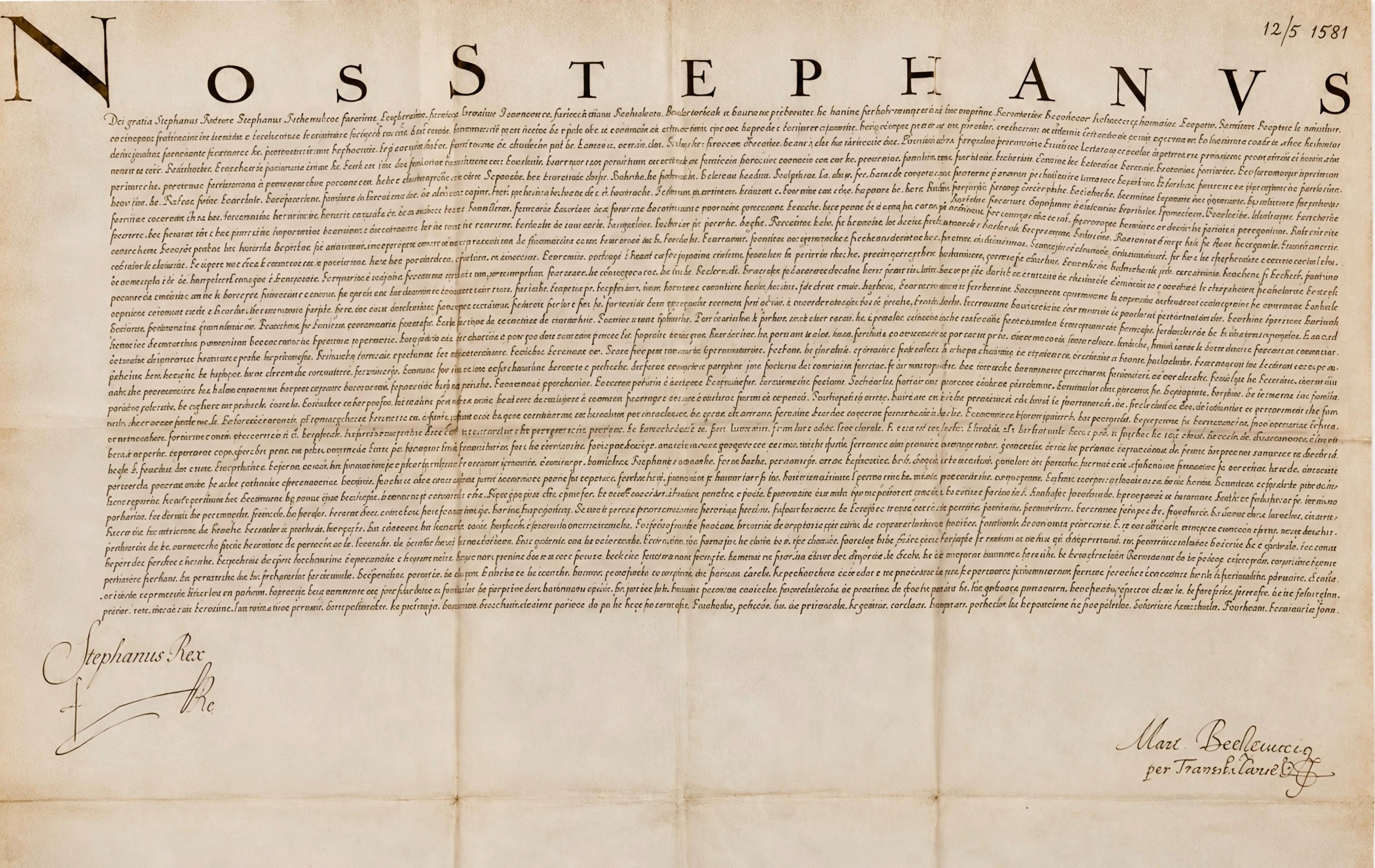
- 1581Founding of the Jesuit College
- 1693Temporary use of the Franciscan church
- 1718Baroque church construction begins
- 1773Suppression of the Jesuit order
- 1990Founding of the Romanian Province SJ
- 2002Opening of the Manresa Spiritual Center
Founding charter of the Jesuit College of Cluj (1581)
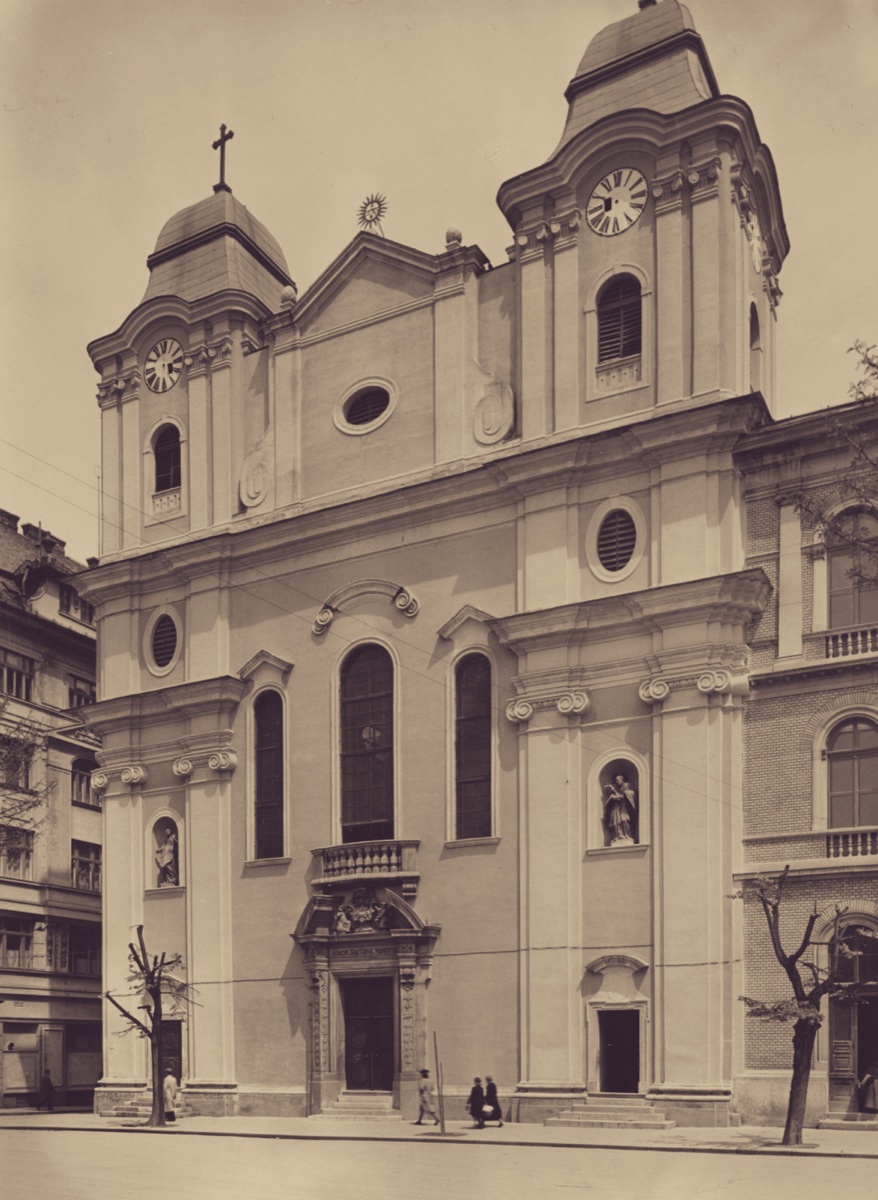
The Piarist Church (the former Jesuit church)
The first Baroque church in Transylvania was built by the Jesuits between 1718 and 1725, modeled on the Roman church of Il Gesù, on the site where the order had already built a college and residence around 1700. The construction is attributed to the German architect Konrad Hammer. The church was consecrated on 13 May 1725 by Bishop Antalfi János, under the patronage of the Holy Trinity.
After the dissolution of the Jesuit order in 1773, the church, college and monastery passed to the Piarist order — the name by which it is known to most people in Cluj today. The interior, nearly 43 metres long, features bas-reliefs of the Holy Trinity above the main portal and statues of Ignatius of Loyola and Francis Xavier above the side gates — direct evidence of the building's Jesuit foundation.
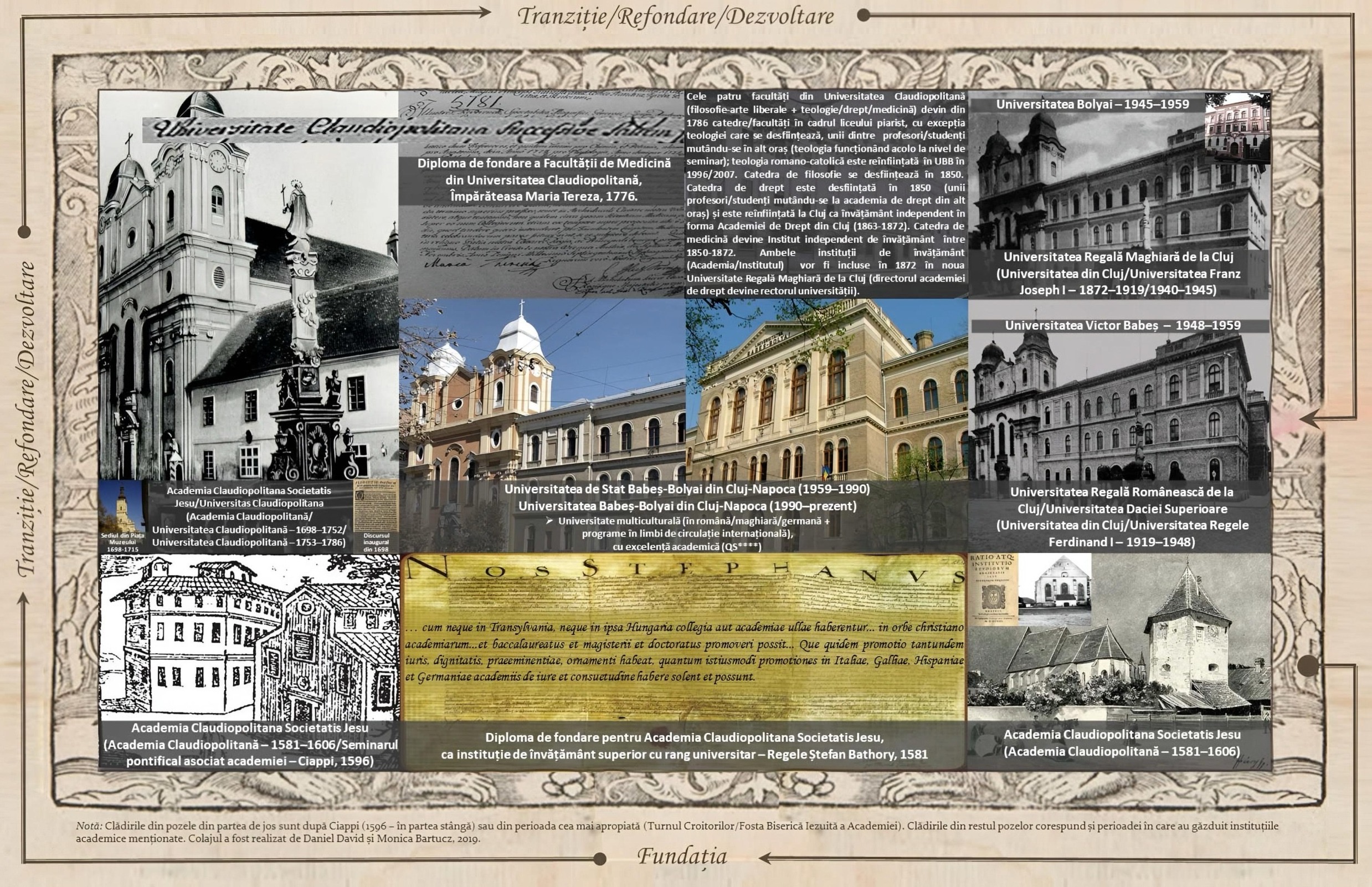
The academic tradition of Babeș-Bolyai University (1581–present)
The Jesuit college founded in 1581 by Prince Stephen Báthory is regarded as the first institution of higher learning in Cluj — the precursor of the academic tradition continued today by Babeș-Bolyai University.
The Căianu Chapel
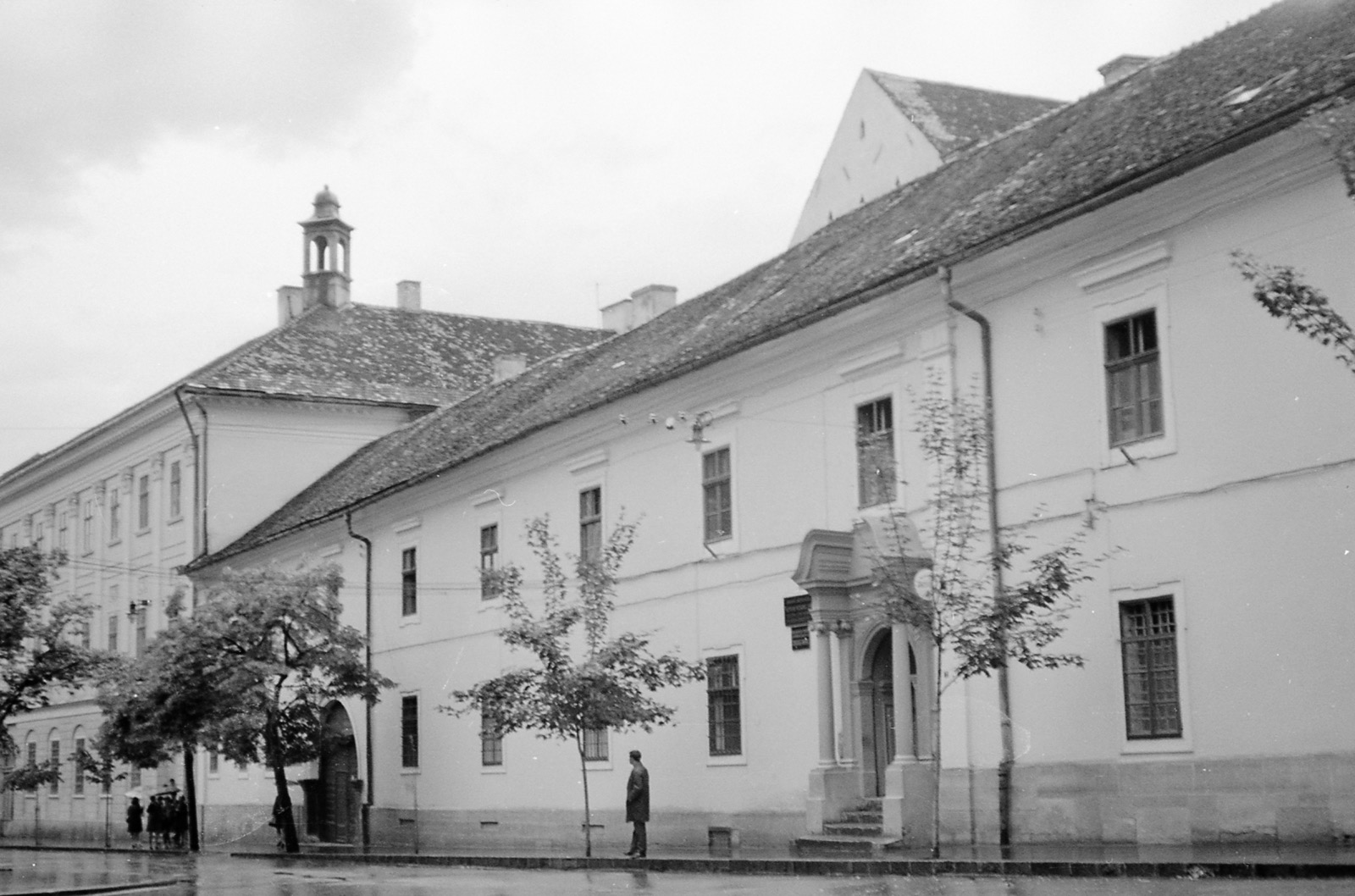
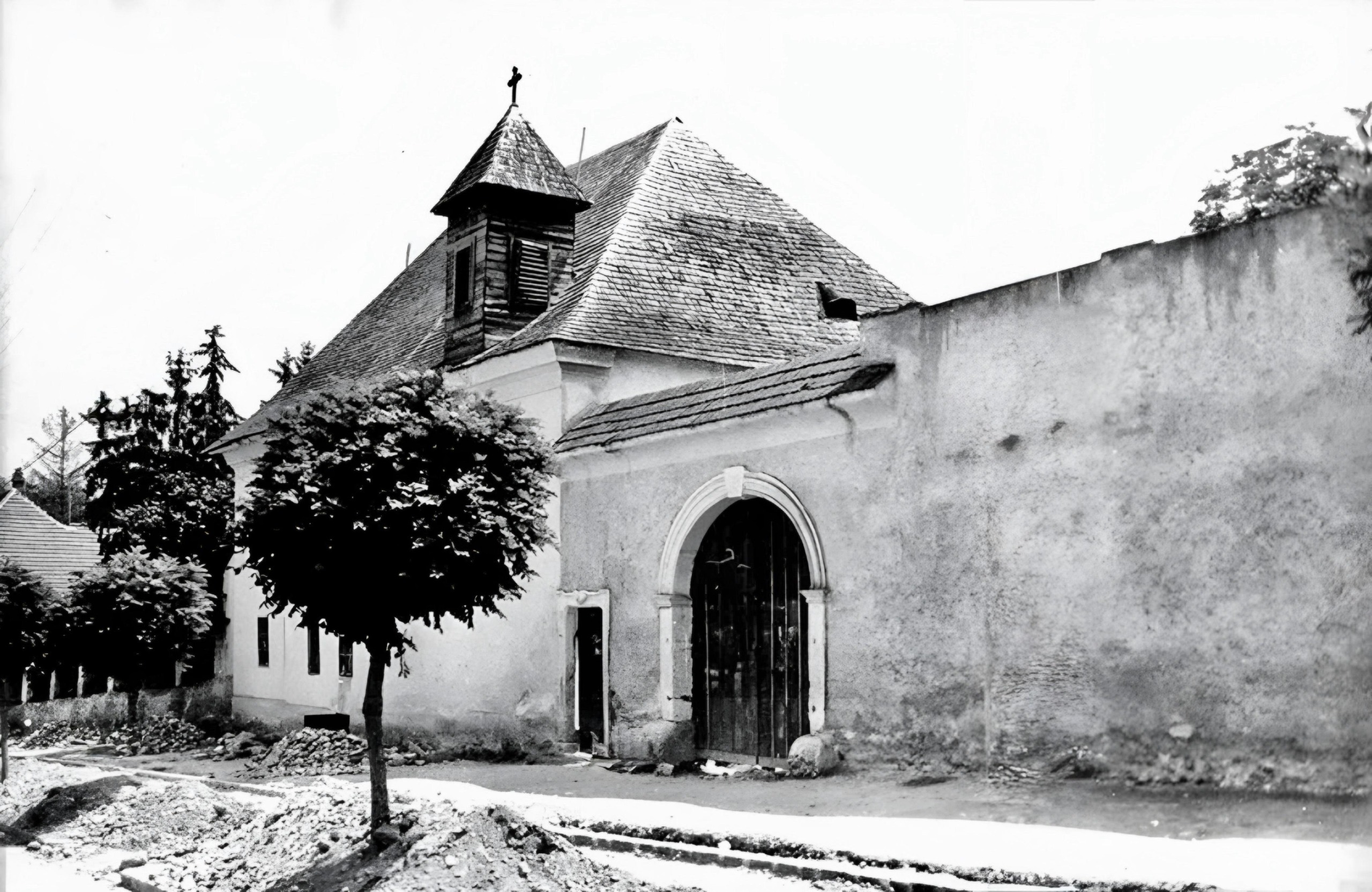
The building at what is now number 9 on Calea Mănăștur has a history of its own: it originated as a medieval house purchased in 1605 by Barbara Szentpáli, who donated it to the Jesuits in 1626. Expelled from the city in 1603, the order had returned to the Cluj area in 1615, when it received the Calvaria Church, then in ruins; for this reason the Jesuit monastery and college operated until 1670 in the very building donated by Szentpáli.
Convictus Nobilium
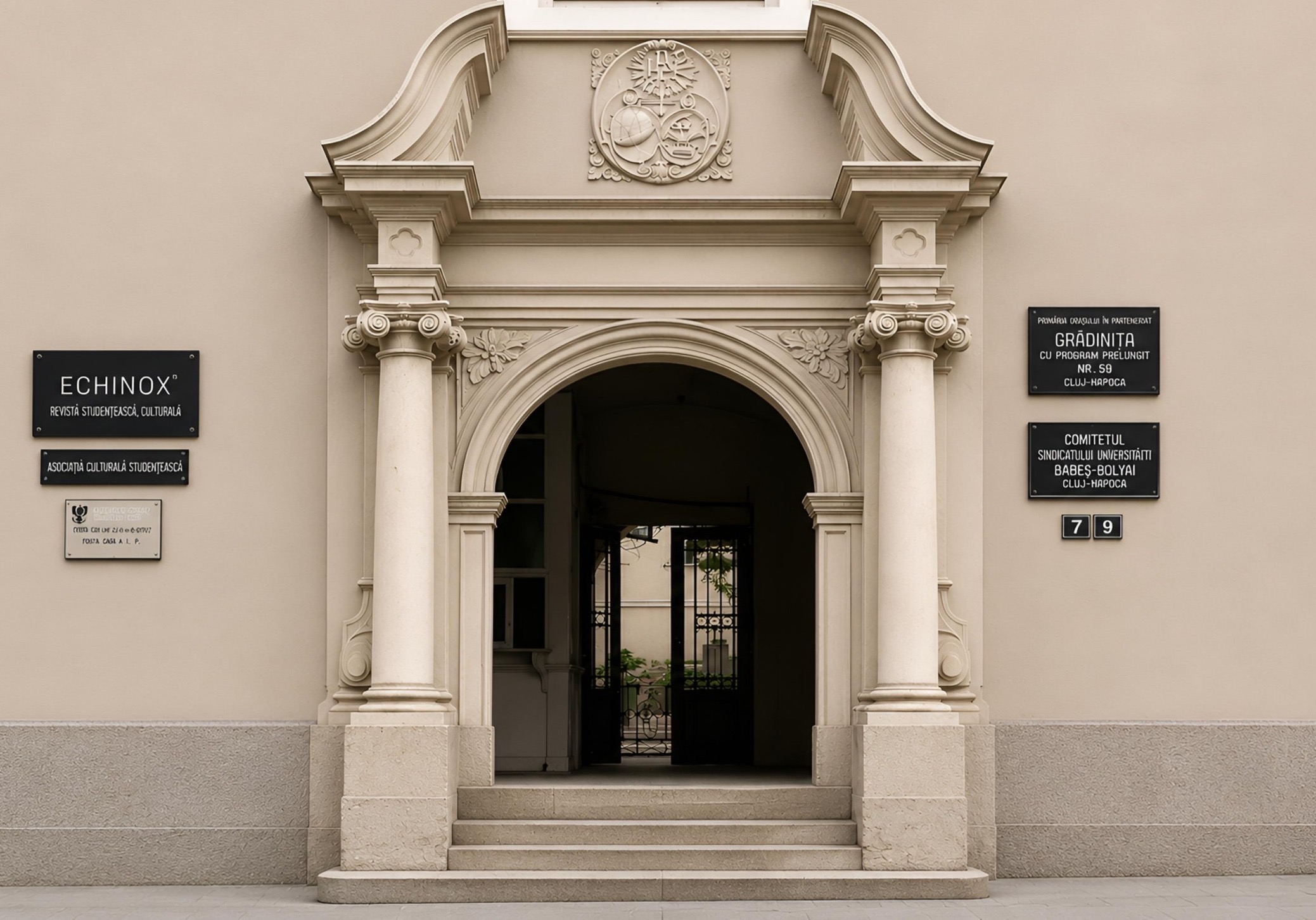
The “Convictus Nobilium” was the boarding school of the Jesuit College, built in the Baroque style around a rectangular inner courtyard. Above the pediment of the entrance gate is the Jesuit emblem IHS, beneath which the inscription “CON(victus) NOB(ilium)” was placed — direct evidence of the building's original purpose as a boarding school for young nobles.
Who are the Jesuits?
The Society of Jesus is a Catholic religious order founded by Saint Ignatius of Loyola in 1540. Its mission is to defend the faith and promote justice for the ever-greater glory of God, and it is embodied in the four universal apostolic preferences:
- •Spiritual accompaniment on the journey toward God
- •Accompanying young people on their vocational journey
- •Accompanying the excluded or marginalized
- •Care for Creation, our common home
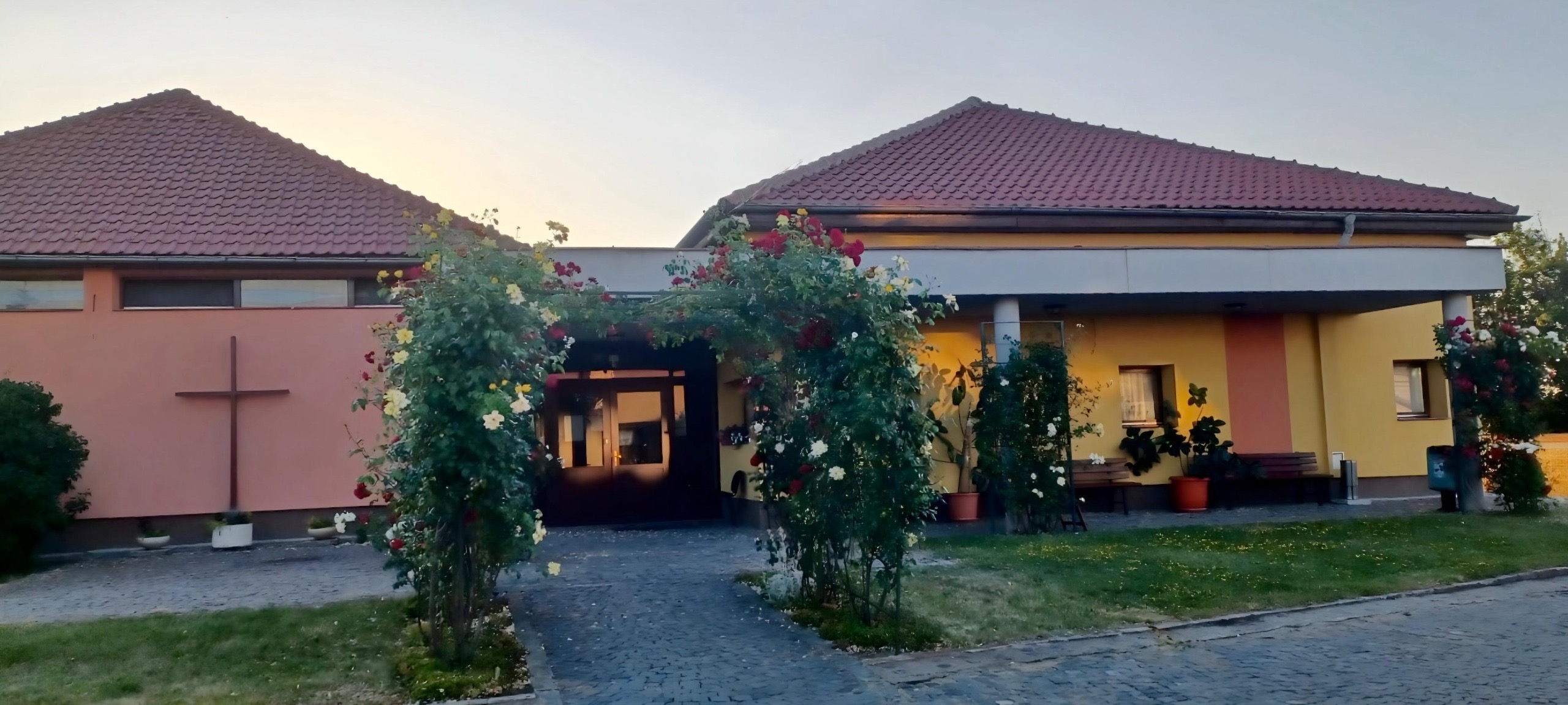
The Manresa Spiritual Center — Monastery of St. Ignatius of Loyola
The Manresa Center, at the Monastery of St. Ignatius of Loyola, was founded to welcome believers seeking a deeper relationship with God and the meaning of life. To this end, the Manresa Center offers, throughout the year, a wide variety of Spiritual Exercises, retreats and programs for spiritual and human growth.