Manresa Spiritual Center
Art & spirituality

Paintings in the hall

Five frescoes in the hall of the Manresa Center, illustrating key moments of the Ignatian Spiritual Exercises.

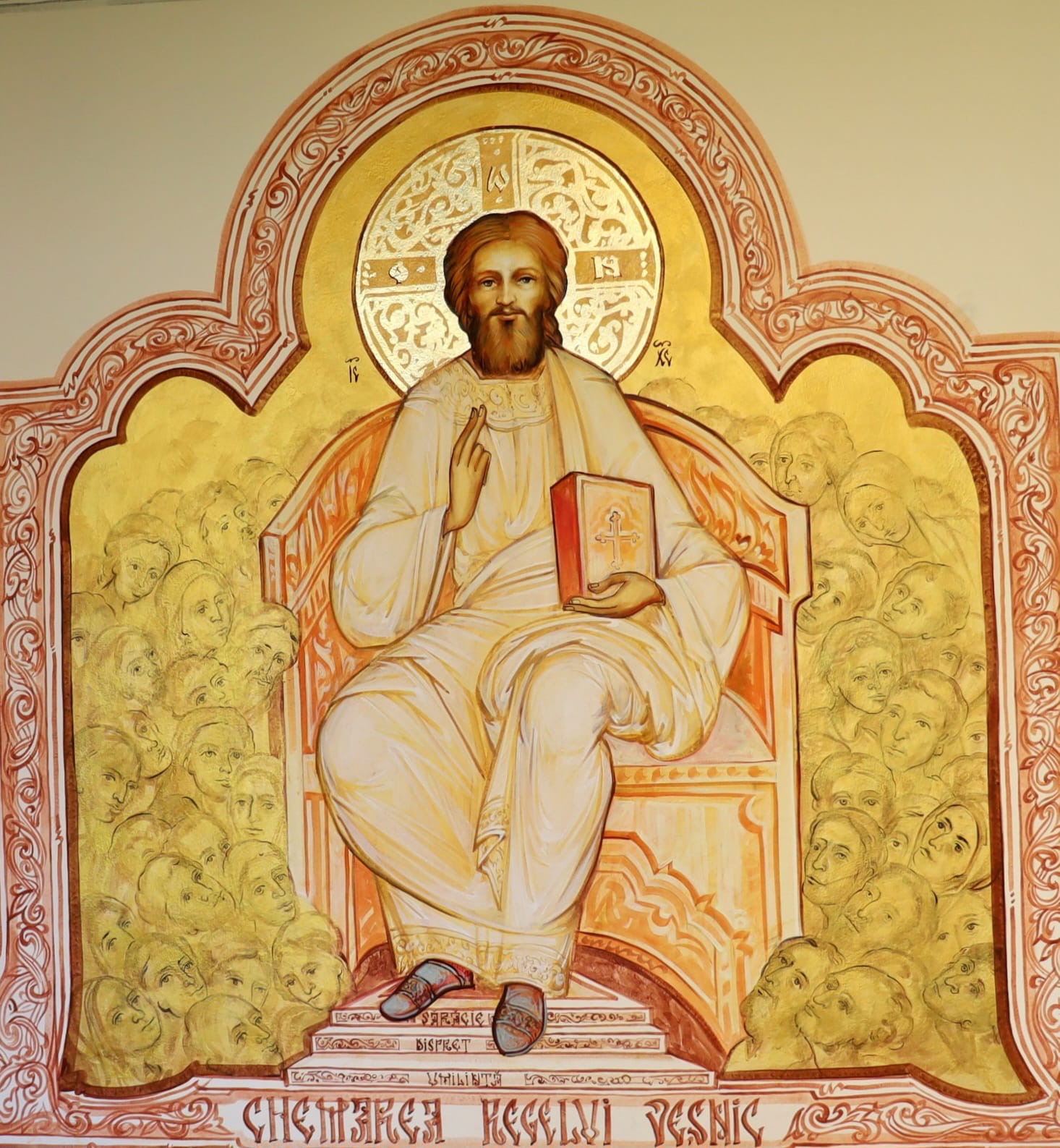
The Call of the Eternal King

The Call of the Eternal King

"Let us reflect on the address that Christ, our Lord, delivers to all His servants and friends, whom He sends on such a mission, asking them to be willing to help everyone — first, in their greatest spiritual poverty and, if His divine Majesty were to be served and were to deign to choose them, in material poverty as well; second, in a willingness to endure insults and contempt, for from these two things humility is born, so that there may be three steps: first, poverty as opposed to wealth; second, reproaches and contempt, opposed to worldly fame; third, humility opposed to pride; and, from these three steps, may they be led to all the other virtues." (St. Ignatius of Loyola, Meditation on the Two Standards, Spiritual Exercises, no. 146)
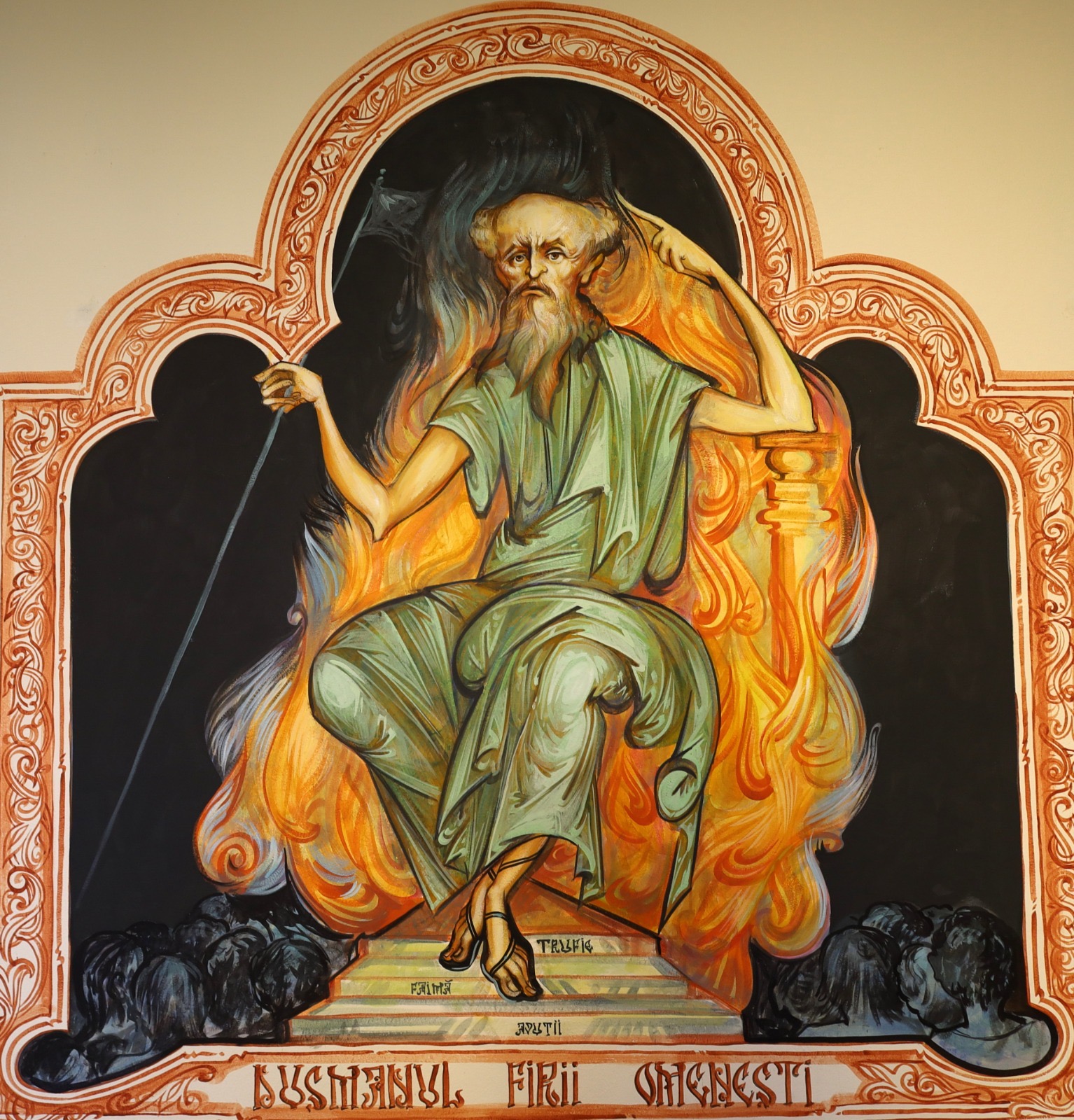
The Enemy of Human Nature

The Enemy of Human Nature

"Let me consider what speech he (the Enemy of Human Nature) delivers to them and how he incites them to cast out nets and chains; and first tempts them with the desire for wealth, as is most often the case, so that they may more easily attain the world's vain fame, and then, greater pride; so that the first step is that of wealth, the second that of fame, the third that of pride, and, from these three steps, he leads them to all the other vices." (St. Ignatius of Loyola, Meditation on the Two Standards, Spiritual Exercises, no. 142)

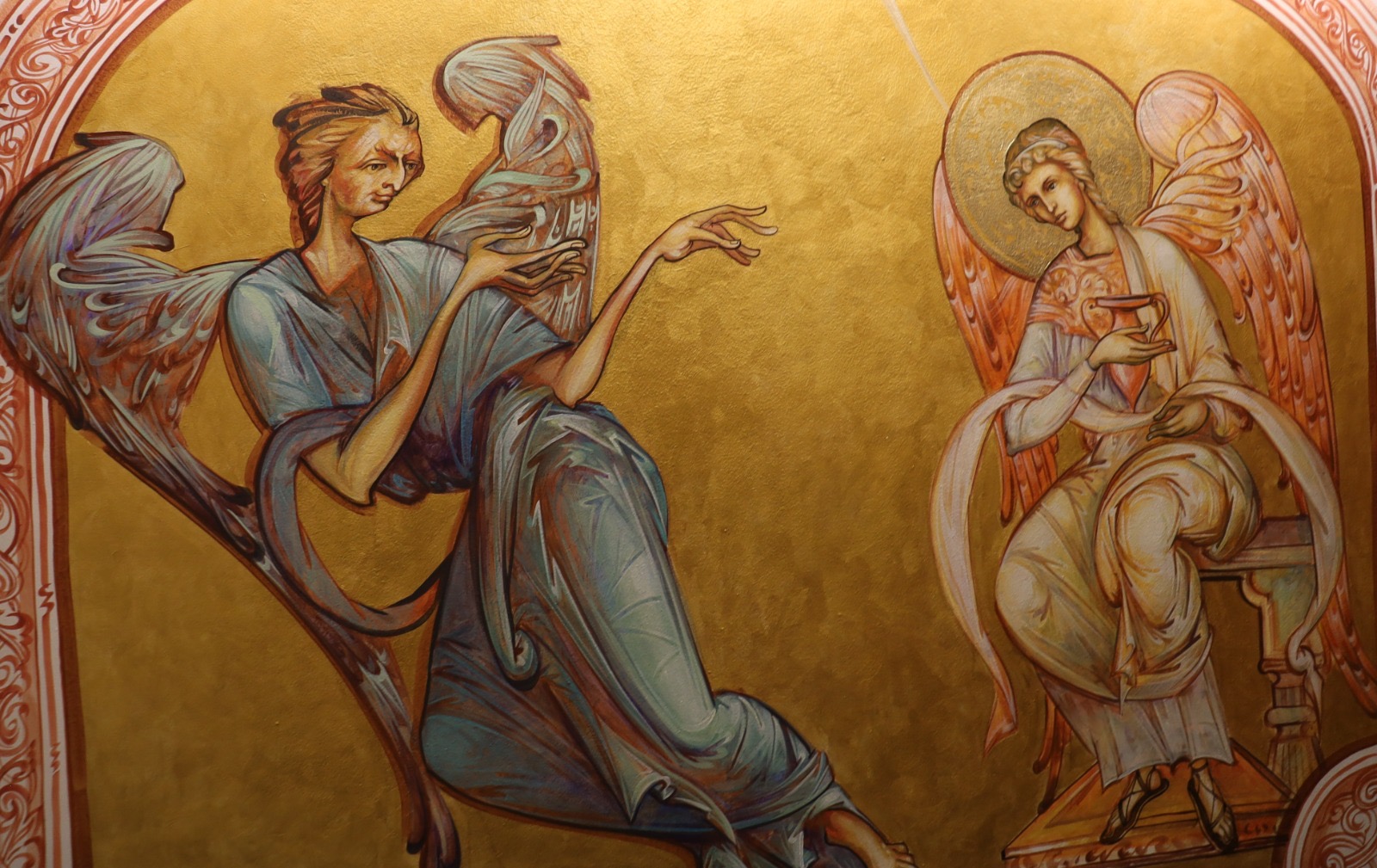
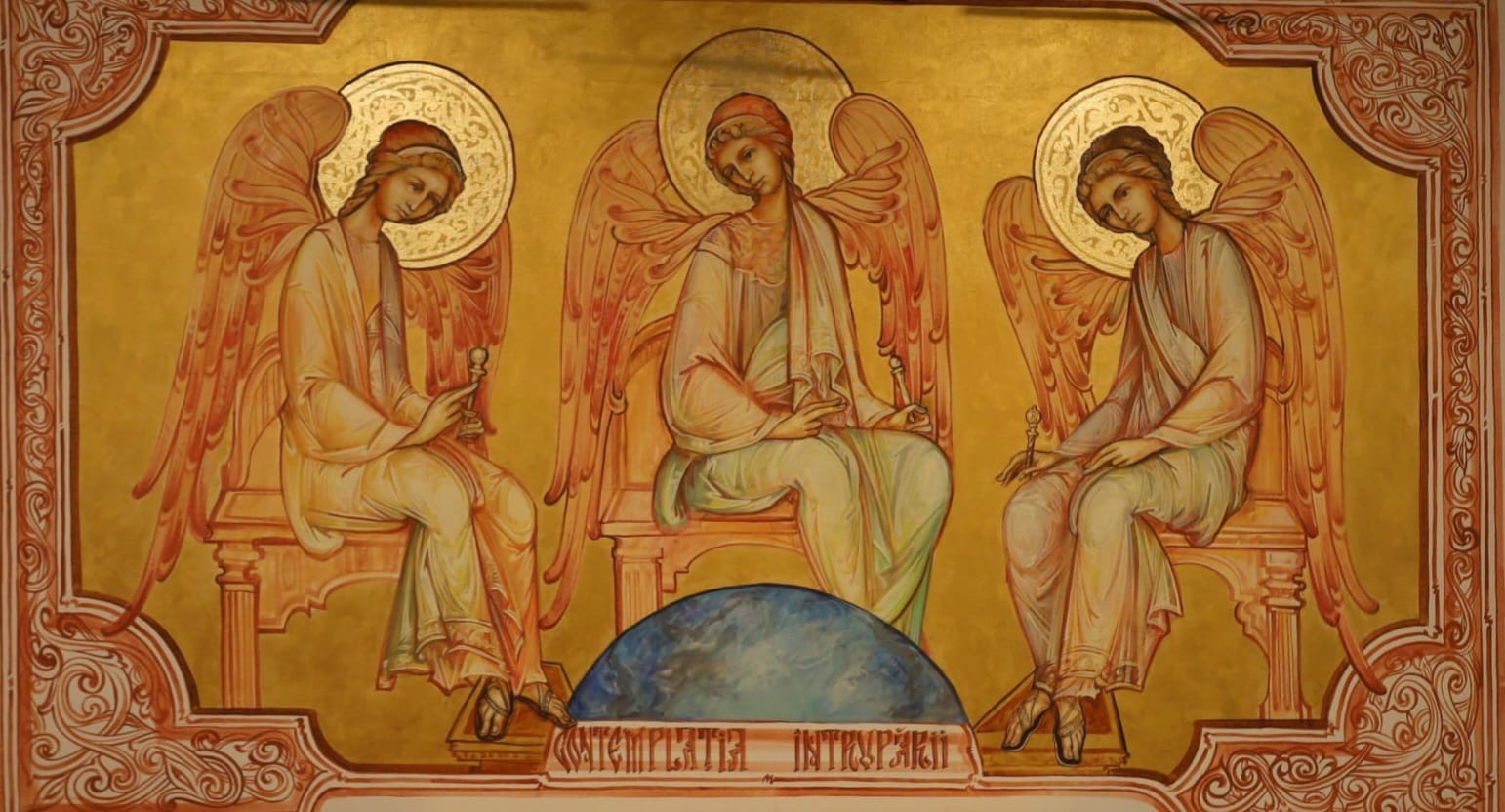
The Contemplation of the Incarnation

The Contemplation of the Incarnation

"Let me describe the scene I have before me: how the three divine Persons surveyed the expanse or roundness of the world filled with people, and how, seeing that all were descending into hell, they decided in their eternity that the Second Person should become man to save the human race; and thus, when the fullness of time had come, they sent the holy angel Gabriel to the Blessed Virgin." (St. Ignatius of Loyola, Contemplation of the Incarnation, nos. 101–102)

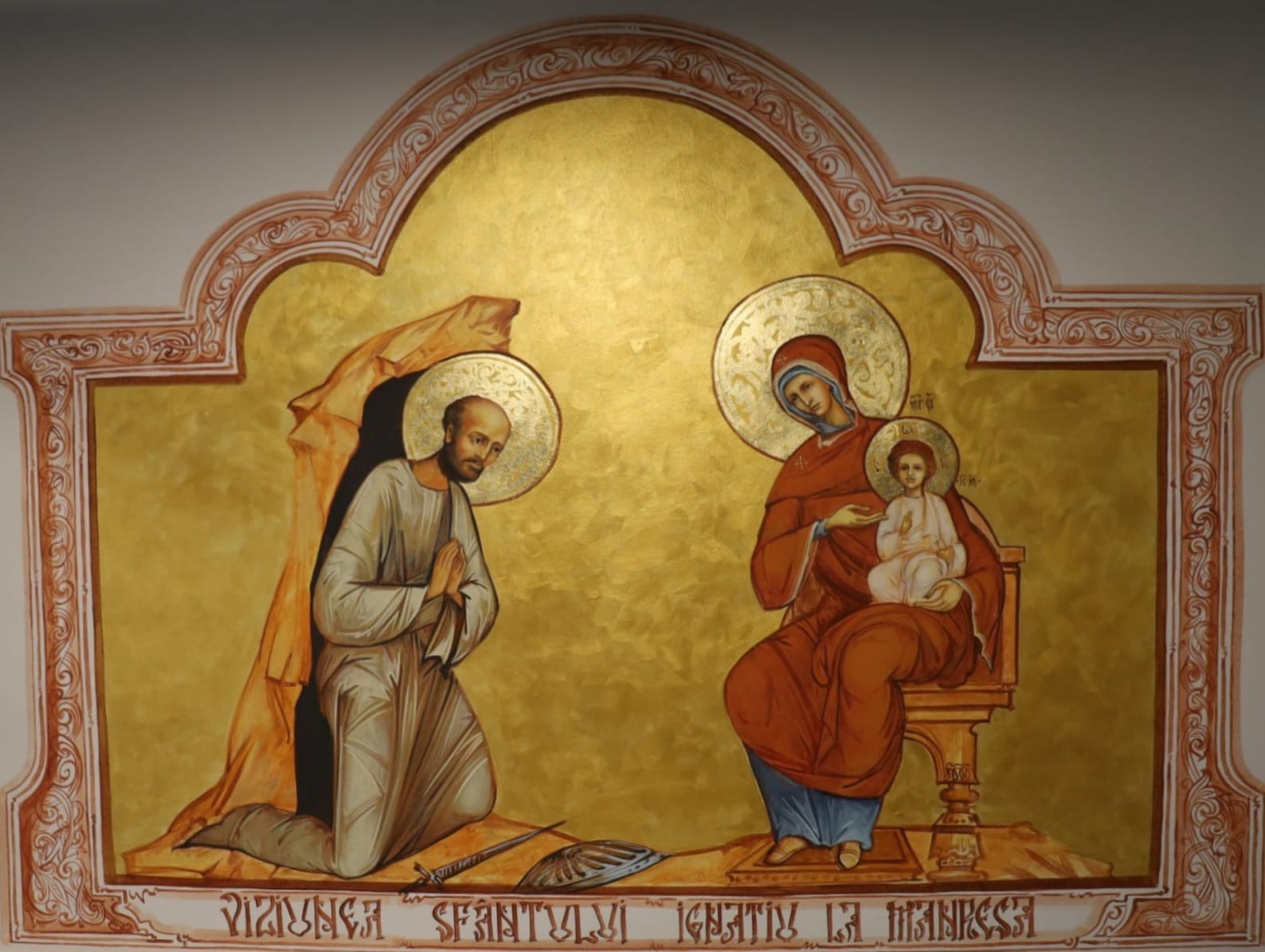
Manresa

Manresa

"In Manresa, where he remained for nearly a year, after he began to be comforted by God and saw the fruits of his labor in caring for souls, he renounced the reckless behavior to which he had given himself until then […] Often and for long periods, while in prayer, he would see with his inner eyes the humanity of Christ in the form of a white body, neither too large nor too small […] He also saw the Blessed Virgin in a similar manner […] One can only say that he received such great clarity of understanding that, throughout his entire life, even after the age of sixty-two, were he to bring together all the blessings he had received from God and all he had learned, they could not compare to what he received all at once at that moment." (St. Ignatius of Loyola, The Pilgrim's Story, nos. 29–30)

The Spiritual Combat

The Spiritual Combat

"It is characteristic of God and His angels, in their inner workings, to bestow true joy and spiritual gladness, dispelling all the sorrow and turmoil caused by the enemy; and it is characteristic of the enemy to fight against such joy and spiritual consolation with unfounded reasons, useless details, and ceaseless deceptions." (St. Ignatius of Loyola, Rules for the Discernment of Spirits, nos. 328–329)

Artwork & credits

The hall frescoes were painted by Fr. Marian Furtună.